

Learn the basic rule of the keto diet to transform your body into a fat-burning machine. Discover how to say goodbye to carbs and embrace a high-fat, low-carb lifestyle. Unlock the secrets of this innovative approach to nutrition for optimal health and weight loss.
Congratulations on embarking on your keto journey! But before you dive into this fascinating world of low-carb wonders, you need to understand the basic rule of the keto diet. It's all about transforming your body into a fat-burning machine by saying farewell to carbohydrates and embracing a high-fat, low-carb lifestyle. In this article, we will unravel the fundamental principle behind the keto diet, guiding you on your path towards optimal health and weight loss. Get ready to revolutionize your eating habits and unlock the secrets of this creative and innovative approach to nutrition.

What Is The Basic Rule Of Keto Diet?
Introduction
What is the keto diet?
The keto diet, also known as the ketogenic diet, is a low-carbohydrate, high-fat diet that has gained popularity in recent years. It involves drastically reducing your carbohydrate intake and replacing it with fat. The goal of the keto diet is to put your body into a state of ketosis, where it starts using fat as its primary source of fuel instead of carbohydrates.
Why is it popular?
The keto diet has become popular for various reasons. Firstly, it has been scientifically proven to be effective for weight loss. When you restrict your carbohydrate intake, your body begins to burn stored fat for energy, resulting in weight loss. Additionally, many people claim that the keto diet helps them achieve mental clarity and focus, as well as increased energy levels. Lastly, the keto diet may have potential health benefits, such as improved blood sugar control and reduced inflammation.

Understanding the Keto Diet
What is ketosis?
Ketosis is a metabolic state in which your body begins to break down stored fat for energy instead of using glucose from carbohydrates. When you follow a keto diet and limit your carbohydrate intake, your body's insulin levels decrease, causing your liver to produce ketones. These ketones serve as an alternative source of fuel for your body, particularly for your brain.
How does the keto diet work?
The keto diet works by shifting your body's metabolism from relying on glucose to breaking down fats for energy. By significantly reducing your carbohydrate intake, you force your body into ketosis, where it becomes efficient at burning fat. This not only leads to weight loss but also alters various hormonal and metabolic processes in your body.
The Basic Rule of the Keto Diet
Limiting carbohydrate intake
The fundamental rule of the keto diet is to limit your carbohydrate intake. The typical recommended carb intake on a keto diet is around 20-50 grams per day, depending on individual needs and body composition goals. By restricting carbohydrates, you effectively deplete your body's glycogen stores and force it into ketosis.
Increasing fat consumption
Another crucial aspect of the keto diet is increasing your fat consumption. Healthy fats such as avocados, nuts, seeds, and oils form a significant part of the keto diet. These fats provide the necessary calories and fuel your body needs in the absence of carbohydrates. They also help to keep you feeling satiated and prevent cravings.
Moderate protein intake
While the keto diet is high in fat, it is essential to consume an appropriate amount of protein. Consuming too much protein can potentially kick you out of ketosis as excess protein can convert to glucose through a process called gluconeogenesis. The recommended protein intake on a keto diet usually ranges from 20-30% of your daily calorie intake.
Benefits of the Keto Diet
Weight loss
One of the most significant benefits of the keto diet is weight loss. When you restrict carbohydrates, your body shifts to burning stored fat for energy. This can result in more significant and sustained weight loss compared to traditional low-fat diets. Additionally, the keto diet has been shown to help reduce visceral fat, which is a harmful type of fat that surrounds your organs.
Improved mental focus and clarity
Many people on the keto diet report improved mental focus and clarity. This could be due to the steady supply of energy from ketones to the brain. When your brain has a consistent source of fuel, it can function optimally, leading to increased cognitive performance.
Increased energy levels
When your body is in ketosis, it becomes efficient at burning fat for energy. This can lead to increased energy levels and a reduction in that mid-afternoon slump that many people experience. By relying on fat as an energy source, your body has a more stable source of fuel, resulting in sustained energy throughout the day.
Controlled blood sugar levels
For individuals with diabetes or insulin resistance, the keto diet can help control blood sugar levels. By eliminating or reducing high-carbohydrate foods, you can prevent spikes in blood sugar and reduce the need for insulin medication. However, it is crucial to monitor blood sugar levels closely and work with a healthcare professional when making significant dietary changes.
Reduced inflammation
Inflammation is a natural immune response in the body, but chronic inflammation can contribute to various health issues. The keto diet has been shown to reduce inflammation in the body, potentially leading to a decreased risk of chronic diseases such as heart disease, diabetes, and certain types of cancer.
Potential Risks and Side Effects
Keto flu
When starting the keto diet, some people may experience what is commonly referred to as the "keto flu." This is a collection of flu-like symptoms that can occur as your body transitions into ketosis. Symptoms may include fatigue, headache, dizziness, nausea, and irritability. These symptoms are typically temporary and can be mitigated by drinking plenty of fluids, getting adequate electrolytes, and easing into the diet gradually.
Nutrient deficiencies
Since the keto diet restricts many food groups, it is important to ensure you are getting a wide range of nutrients. Some vitamins and minerals may be lacking in the keto diet, especially if you are not careful to include a variety of nutrient-dense foods. Supplementation or working with a registered dietitian may be necessary to prevent potential nutrient deficiencies.
Gastrointestinal issues
Another potential side effect of the keto diet is gastrointestinal issues such as constipation or diarrhea. This can be attributed to the lack of fiber-rich foods typically consumed on a low-carb diet. It is important to incorporate sources of fiber, such as non-starchy vegetables and low-carb fruits, to maintain regular bowel movements and digestive health.
Negative impact on athletic performance
For individuals who participate in intense athletic activities or require high levels of endurance, the keto diet may not be the optimal choice. Carbohydrates are the body's preferred source of fuel during high-intensity exercise, and a low-carb diet like keto may not provide enough readily available energy for these activities. It is essential to consider individual goals and consult with a healthcare professional or registered dietitian if athletic performance is a priority.
Tips for Following the Keto Diet
Consult with a healthcare professional
Before embarking on any significant dietary changes, it is always recommended to consult with a healthcare professional, such as a doctor or registered dietitian. They can provide guidance tailored to your individual needs, ensure you are in good health to start the keto diet, and help monitor any potential risks or complications.
Meal planning and preparation
Meal planning is crucial when following the keto diet. Since many traditional high-carb foods are off-limits, it is important to plan your meals in advance to ensure you are meeting your macronutrient goals and getting a variety of nutrient-dense foods. Preparing meals in bulk can also save time and make sticking to the diet more convenient.
Include a variety of nutrient-dense foods
To ensure your body is getting all the necessary nutrients, it is important to include a wide range of nutrient-dense foods in your diet. This includes low-carb vegetables, healthy fats, and quality sources of protein. Eating a diverse range of foods not only helps prevent nutrient deficiencies but also keeps your meals interesting and enjoyable.
Stay hydrated
Staying hydrated is essential on the keto diet, as it can help mitigate some of the common side effects, such as the keto flu. Drinking an adequate amount of water throughout the day is crucial for maintaining proper bodily functions and preventing dehydration. Aim to drink at least 8 cups of water per day, or more if you are particularly active or live in a hot climate.
Monitor ketone levels
If you want to ensure that you are in and maintaining a state of ketosis, monitoring your ketone levels can be beneficial. There are various methods to measure ketones, including blood ketone meters, urine strips, and breath analyzers. Monitoring your ketone levels can give you insight into how your body is responding to the diet and help you make any necessary adjustments.
Foods to Eat and Avoid on a Keto Diet
Foods to eat:
- High-quality fats such as avocado, olive oil, coconut oil, and grass-fed butter
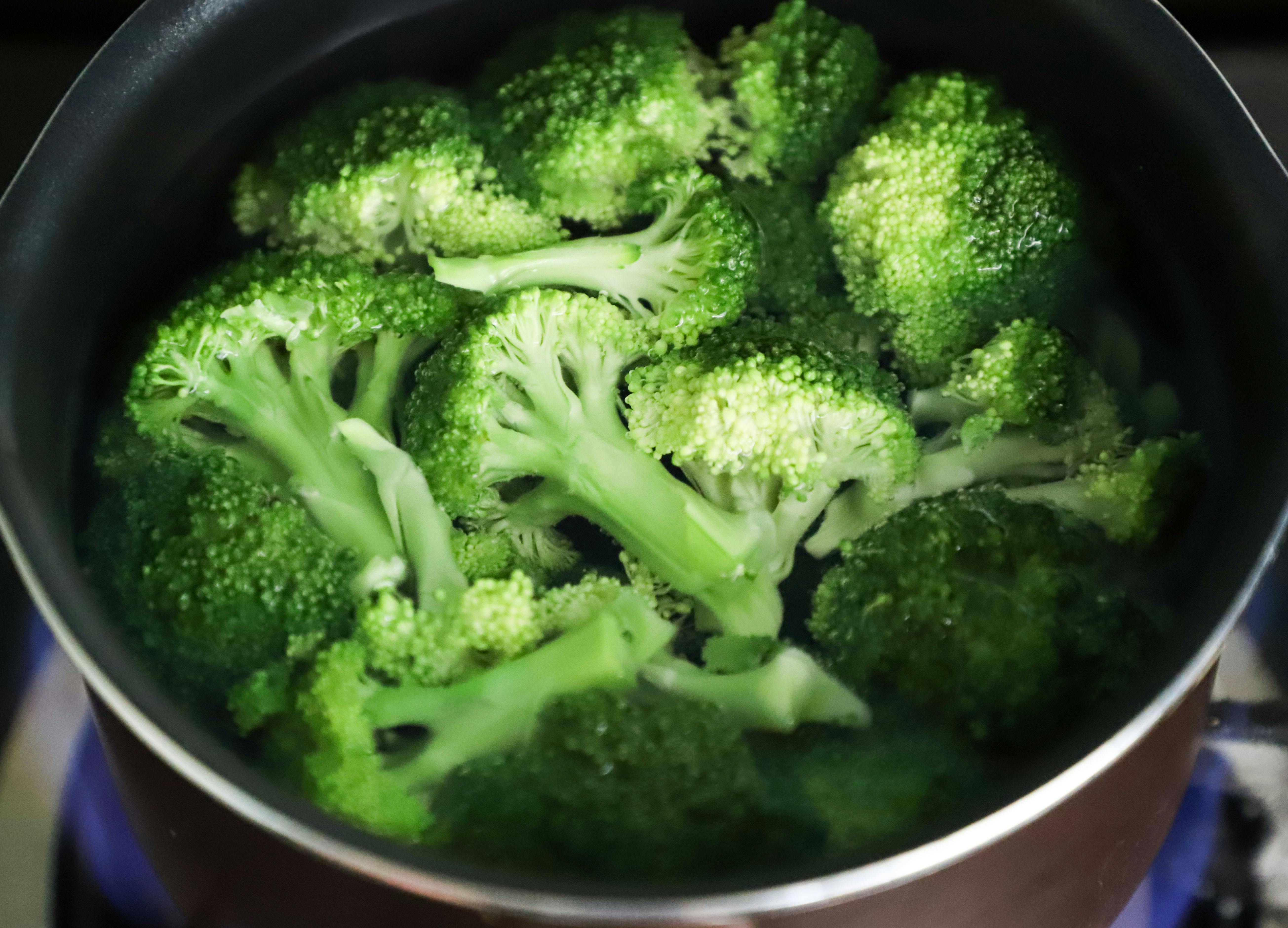
- Non-starchy vegetables like broccoli, cauliflower, spinach, and kale
- Protein sources including meat, poultry, fish, eggs, and tofu
- Nuts and seeds like almonds, walnuts, chia seeds, and flaxseeds
- Low-carb fruits such as berries in moderation
Foods to avoid:
- High-carbohydrate foods like bread, pasta, rice, and sugary snacks
- Most fruits, except for small amounts of low-carb options
- Legumes and beans
- Starchy vegetables like potatoes and corn
- Processed foods and sugary beverages
Common Misconceptions About the Keto Diet
It's all about eating bacon and butter
While the keto diet does allow for increased fat consumption, it is not solely about eating bacon and butter. It is crucial to focus on consuming high-quality fats and a variety of nutrient-dense foods. While these fats can include options like bacon and butter, they should be balanced with other healthy fats from sources like avocados, nuts, and seeds.
It's a high-protein diet
Although protein is an essential component of a healthy diet, the keto diet is not primarily a high-protein diet. Consuming too much protein can actually hinder ketosis, as excess protein can be converted into glucose. It is important to aim for a moderate protein intake, while prioritizing healthy fats as the main source of calories.
It's not sustainable in the long term
Some critics argue that the keto diet is not sustainable in the long term because it restricts major food groups like carbohydrates. However, many individuals have successfully followed the keto diet for extended periods with no adverse effects. With careful planning and a focus on nutrient-dense foods, the keto diet can be a sustainable and healthy way of eating.
Conclusion
The keto diet, with its focus on limiting carbohydrates, increasing fat consumption, and moderate protein intake, has gained popularity for its potential benefits such as weight loss, improved mental focus, and controlled blood sugar levels. While there are potential risks and side effects, proper planning, consultation with a healthcare professional, and monitoring of nutrient intake can help mitigate these concerns. By adhering to the basic rule of the keto diet and incorporating a variety of nutrient-dense foods, you can pursue a creative and sustainable approach to achieving your health and wellness goals.

0 Comments